
Sono partito da Londra per Verona il giorno prima che cominciasse il Vinitaly, perché British Airways non vola su Valerio Catullo tutti i giorni della settimana. Sul mio volo come mi aspettavo c’erano un sacco di facce conosciute: dal famoso giornalista al bravo importatore, dall’agente rompiscatole a qualche amico ed ex collega. Finisce che il viaggio lo faccio in compagnia di una ex collega e buona amica, che all’arrivo a Verona sarebbe stata recuperata in aeroporto da un’altra vecchia conoscenza che si occupa di lieviti ed enzimi per uso enologico.
All’arrivo a Verona mi trattengo qualche minuto per un saluto e vengo invitato ad andare subito con loro all’istituto enologico di San Michele all’Adige, per assistere ad una lezione sull’uso dei tannini in enologia, tenuta da Giampaolo Benevento della Silva Chimica. La Silva Chimica è un’industria italiana leader nel mondo per la produzione di tannini, che ha stabilimenti anche in sud America.
Io a Verona non avevo nessun appuntamento, quindi mi sono aggregato molto volentieri. Si, avevo pensato di andare subito in albergo per recuperare la levataccia delle 3,30 del mattino, ma ho pensato:
1. un’occasione come questa non capita spesso;
2. tanto si sa che al Vinitaly ci si stanca, quindi posso benissimo cominciare a dar fondo alle mie energie da subito.
Giunti a San Michele all’Adige e trovata l’aula magna, ci accomodiamo per assistere alla lezione. Avevo una sola preoccupazione: che l’esposizione sarebbe stata così tecnica da lasciarmi capire veramente poco. E’ stato così solo in minima parte: Giampaolo Benevento si è dimostrato un espositore brillante, che approfondiva volentieri addentrandosi in discorsi tecnici e formule chimiche, ma solo su espressa richiesta di qualcuno.
Questa lezione mi ha aiutato a far luce su un soggetto che per molti addetti ai lavori rimane quantomai fumoso. Perchè fumoso? Perchè sono sicuro che se chiedessimo a 100 esperti di vino la loro opinione sul motivo dell’aggiunta di tannini enologici durante la produzione di un vino, otterremmo una risposta quasi corale: per aggiungere astringenza e struttura al vino stesso. Invece le cose non stanno proprio così.
Ho anche finalmente capito il senso dell’esistenza di diversi tipi di tannino, i quali vengono usati per scopi diversi ed in differenti momenti della vinificazione. Ne consegue che è alquanto improprio parlare genericamente di tannini senza specificare di quali tannini si tratta.
Mi addentro nei dettagli. I tannini usati in enologia sono divisi in due grosse famiglie: esistono i tannini idrolizzabili ed i tannini condensati.
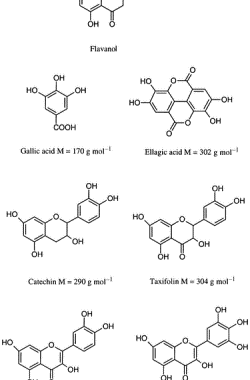
I tannini idrolizzabili, come suggerisce la stessa parola sono quelli facilmente solubili in acqua, e possono essere di tipo gallo-elagico e gallico. I tannini gallo-elagici sono estratti dalla quercia o dal castagno. Quelli gallici sono estratti dalla tara (http://en.wikipedia.org/wiki/Tara_tree) o dalla galla.
I tannini condensati (difficilmente solubili in acqua) sono quelli procianidinici, estratti dai vinaccioli e dalle bucce, e profistenidinici, estratti dal quebracho (http://it.wikipedia.org/wiki/Schinopsis_lorentzii).
Per capire il perchè si usino per scopi differenti, indaghiamo più a fondo sulle caratteristiche che, oltre alla solubilità in acqua, differenziano le due diverse famiglie di tannini.
I tannini idrolizzabili svolgono un’azione batteriostatica, sono degli efficacissimi antiossidanti e degli altrettanto efficaci complessatori di proteine. Sono astringenti al palato e compatibili con i composti solforati. Il loro colore va dal giallo chiaro al marrone scuro. Di contro, i tannini condensati hanno un potere antiossidante buono (come tutti i tannini) ma non eccezionalmente elevato. Sono quei tannini in grado di reagire chimicamente con gli antociani e di legarsi ai composti solforati. La loro astringenza al palato è limitata, ed il loro colore va dal rosso al marrone scuro. Conoscere le differenti caratteristiche dei diversi tipi di tannino è fondamentale per comprenderne il loro uso, vediamoli dunque uno a uno.
Il tannino di castagno è sempre di colore marrone ed ha un caratteristico odore legnoso, leggermente tostato. Viene utilizzato all’inizio della fermentazione, per inattivare gli enzimi ossidanti e dunque prevenire le ossidazioni indesiderate. Esso è anche utilizzato per esercitare un certo controllo batterico, aumentando di fatto l’efficacia dell’anidride solforosa. L’aggiunta di tannino di castagno rende dunque possibile una sensibile riduzione della quantità di SO2 utilizzata.
L’utilizzo di questo tipo di tannino (che è solitamente limitatoa alla produzione di vini rossi) è caldamente consigliato all’inizio della fermentazione alcolica, e comunque mai dopo la fermentazione malolattica, per via delle note erbacee che in particolari situazioni potrebbe conferire al vino. Dite la verità, ora il tutto comincia ad assumere una piega più pratica che tecnica…ma andiamo avanti.
Il tannino di quebracho è di colore rosso-marrone e si presenta con un caratteristico aroma di crosta di pane. Grazie alle sue caratteristiche di ottimo precipitatore proteico, è usato in enologia da moltissimo tempo. Da quando poi si sono riscontrate le sue ottime qualità di stabilizzatore del colore, la sua diffusione ed il suo utilizzo sono in crescita esponenziale, anno dopo anno. La questione è però, che se gli si fanno precipitare le proteine (all’inizio della fermentazione) non sarà poi più disponibile per stabilizzare il colore (antociani), quindi se ne consiglia l’utilizzo solo dopo che la precipitazione proteica ha avuto luogo. Anche perchè le proteine le posso far precipitare utilizzando il tannino di castagno, che mi costa 10 volte di meno. Il suo dosaggio varia a seconda della varietà di uva utilizzata, ma anche a seconda del tipo di fermentazione in atto. In una fermentazione con lunga macerazione infatti, si riusciranno anche ad estrarre i tannini dai vinaccioli dell’uva, che contribuiranno alla stabilizzazione del colore. Pensate ora a tutte quelle fermentazioni (con macerazioni) brevissime che danno vita a vini dall’incredibile profondità di colore… Ah, il tannino di quebracho viene a volte usato anche in fase di pre-imbottigliamento, sia per le sopra menzionate proprietà di stabilizzatore del colore che per le sue ricercate caratteristiche organolettiche…
Il tannino di galla viene estratto dalle foglie di una pianta chiamata galla cinese. Queste foglie, quando vengono attaccate da un insetto si accartocciano su loro stesse e si arricchiscono di tannino.
Il tannino è naturalmente contenuto in diverse quantità da tutti i vegetali. Esso rappresenta il meccanismo di autodifesa dei vegetali stessi: se è presente in un vegetale in grande quantità, questo vegetale non sarà palatabile e difficilmente verrà mangiato dagli animali.
I tannino estratto dalla galla è di tipo idrolizzabile, si presenta di colore giallo chiaro, non ha odori particolari ed ha sapore astringente. Fra tutti i tannini conosciuti ed utilizzati in enologia è quello con le più alte proprietà riducenti: si utilizza dunque per prevenire direttamente (o indirettamente) qualsiasi reazione di ossidazione. Questo tipo di tannino è anche molto usato per le chiarifiche, di solito insieme alla bentonite. Direte “ma la bentonite da sola non basta?”. Potrebbe bastare, ma anche no. Bentonite e tannino chiarificano il vino secondo due principi diversi e sinergici: agendo in base alle caratteristiche elettriche la prima ed agendo in base al peso molecolare il secondo. Utilizzando entrambi, si otterranno vini accuratamente chiarificati e ben protetti contro indesiderate ossidazioni.
Il tannino di quercia è di tipo gallo-elagico ed è estratto dal legno di Quercus Robur proveniente dal Massiccio Centrale Francese o dalla Slovenia. Il legno viene essiccato e ridotto in chips, dopodichè il tannino viene estratto grazie al contatto con acqua surriscaldata e può essere depurato ulteriormente utilizzando una soluzione di alcol acquoso. Il tannino estratto all’acqua è molto simile a quello che il vino estrarrebbe se fosse posto a contatto con del legno nuovo. Questo tipo di tannino è molto utilizzato in fase di fermentazione e poco in fase di finitura, proprio per via della sua caratteristica astringenza, che necessita di tempo e di contatto con l’ossigeno per essere ammorbidita. Il tannino di quercia purificato all’alcol non è astringente ma mantiene comunque le sue proprietà antiossidanti. Viene usato spesso in fase di finitura, specie per quei vini che non hanno fatto legno, per arrotondare le eventuali spigolosità tanniche proprie dell’uva stessa.
Qualche breve parola anche sui tannini estratti dall’uva, i quali possono essere di due tipologie: di buccia o di vinaccioli. Entrambi sono tannini condensati ed il loro costo è molto elevato: il loro uso viene conseguentemente limitato ai casi di assoluta necessità. Entrambi reagiscono molto efficacemente con gli antociani e sono quindi molto utili nella stabilizzazione del colore. I tannini di vinacciolo, contenendo residui di acido gallico, hanno maggiori proprietà antiossidanti di quelli estratti dalla buccia. Vengono utilizzati prevalentemente in fase di fermentazione, specie nei casi di svinatura precoce, di solito dettata dalla non maturità dei vinaccioli dell’uva usata per fare il mosto.
La parte tecnica ubriaca più del vino stesso, lo so, me ne sono reso conto dopo queste due ore di lezione, ma in conclusione vorrei riportare alcune considerazioni personali. Il relatore ha tenuto a sottolineare ai ragazzi in aula che i tannini enologici non devono mai essere utilizzati per modificare gli aromi ed i sapori di un vino, perchè così si annullerebbe il lavoro fatto (sia in vigna che in cantina) per esaltare la tipicità di vitigno e terroir. Detto così posso essere d’accordo. Personalmente se ci fosse un ipotetico metro di misura nel quale lo zero rappresentasse il “non interventismo” in cantina ed i 100 cm rappresentassero l’applicazione più spinta della tecnologia, io mi posizionerei intorno ai 25 cm. In fondo un diamante grezzo non avrebbe nessuna possibilità di brillare se non ci fosse un bravo tagliatore con un’ottima mola. Avrebbe senso osteggiare la mola e opporsi al suo utilizzo?
L’importante è non giungere agli estremi, ovvero alla situazione in cui il tagliatore prende un fondo di bottiglia e lo cosparge di cera affinché brilli come un diamante…

Sono entrato nel campo (appena seminato) dell’enogastronomia nell’anno di grazia 1987. Ho collaborato con le più importanti guide e riviste italiane del settore e, visto che non c’è limite al peggio, anche con qualcuna estera. Faccio parte di quel gruppo di italiani che non si sente realizzato se non ha scritto qualche libro o non ha creato una nuova guida sui vini. Purtroppo sono andato oltre, essendo stato tra i creatori di una trasmissione televisiva sul vino e sul cibo divenuta sicuramente la causa del fallimento di una nota rete nazionale. Riconosco di capire molto poco di vino, per questo ho partecipato a corsi e master ai quattro angoli del mondo tra cui quello per Master of Wine, naturalmente senza riuscire a superarlo. Winesurf è, da più di dieci anni, l’ultima spiaggia: dopo c’è solo Master Chef.