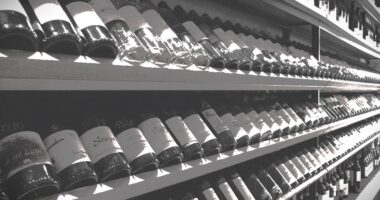

Vi abbiamo fatto attendere per avere i risultati della nostra inchiesta ma un motivo c’era; in contemporanea volevamo anche presentarvi il simbolo che, praticamente a partire da oggi, evidenzierà nelle nostre degustazioni le bottiglie eccessivamente ed inutilmente pesanti, Di questo parleremo comunque in un apposito articolo (vedi una bottiglia-ciminiera molto pesante) e quindi veniamo ai risultati del sondaggio. Le domande erano pochissime:
1. Crede che la bottiglia più pesante sia sinonimo di qualità
2. Secondo lei le bottiglie più leggere sono più fragili?
3. Crede che la sua azienda possa usare bottiglie più leggere senza portare danno all’immagine ed alla qualità del prodotto
4. Pensa di attuare azioni pratiche per diminuire il peso delle sue bottiglie
5. Ha già attuato azioni pratiche per diminuire il peso delle sue bottiglie? Se si quali?
Intanto un dato per noi eccezionale:ben 472 aziende hanno risposto al nostro questionario!!!! Una cifra mai raggiunta prima (e senza alcun sollecito) che dimostra quanto la cosa interessi e ci permette di dire per la prima volta che i dati raccolti possono anche avere un discreto valore statistico. Ma la cosa ancora più bella è che non avevamo mai ricevuto così tanti commenti e precisazioni, dimostrazione ancora più lampante di quanto l’argomento sia sentito.
Da chi ci fa il conto dei quintali di vetro che risparmierà dal prossimo anno ( ben 62 per un azienda che produce 50.000 bottiglie!!!!!!!) a chi dice chiaro e tondo che ha diminuito il peso solo per meri motivi economici. Tra chi lo ha fatto, qualunque sia il motivo, veniamo comunque a sapere che spesso i clienti non se ne sono nemmeno accorti.
Ma ci sono state anche dure critiche. Chi ci dice che stiamo diventando troppo politicizzati e chi sostiene che segnalare come positiva la diminuzione del peso del vetro è riduttivo e penalizzante per chi adotta altri sistemi ecologici, sia in vigna sia in cantina. Chi addirittura ci fa il conto di quanti TIR passano in autostrada e conclude che 1500 in realtà sono niente…..
Alcuni ci hanno fatto notare che la bottiglia bordolese base, da 410 grammi spesso ha molti più difetti nel collo di quelle più pesanti e costose: Gli spumantisti, giustamente, dicono che con quelle pressioni non si può rischiare e che anche 30 grammi in meno su 900 portano a troppe rotture.
Potremmo andare avanti per parecchio ma ci sembra che già così si capisca quanto la cosa sia sentita.
Adesso passiamo a snocciolare qualche dato.
Alla prima domanda “Crede che la bottiglia più pesante sia sinonimo di qualità” la stragrande maggioranza dei produttori (373 pari al 79%) ha risposto NO, anche se qualcuno ha giustamente osservato che spesso per il consumatore finale lo è. Comunque i 99 (21%) che hanno risposto SI non sono certo pochi ma il succo del discorso dovrebbe essere che oramai “più pesante più buono” ha fatto il suo tempo.
La seconda era una domanda più tecnica “Secondo lei le bottiglie più leggere sono più fragili?”.
Per 297 (63%) non è vero, mentre per 175 (37%) la cosa risponde a verità. Anche qui ci sono state molte precisazioni, primi su tutti i produttori di vini spumanti che, con dati di rotture alla mano, sostengono che anche pochi grammi in meno creano notevoli problemi. Vogliamo subito rassicurarli: la nostra campagna non è miope: capiamo perfettamente che una bottiglia da 900 grammi è fondamentale per uno spumante, mentre è assolutamente inutile per un vino fermo. Per questo, cari produttori di Franciacorta, Trento DOC e via cantando non abbiate problemi, difficilmente verrete “marcati” con la nostra bottiglia-ciminiera.
Alla terza domanda “Crede che la sua azienda possa usare bottiglie più leggere senza portare danno all’immagine ed alla qualità del prodotto” ben 349 aziende (74%) ha risposto SI . Questo dato è sicuramente uno dei più confortanti e fa il paio con quello emerso dalla prima domanda. Per certi versi lo rafforza perché qui non si parla del presente ma del futuro. Se un 74% pensa che non ci saranno ripercussioni sulle vendite vuol dire che in futuro non avrà problemi ad usare vetri più leggeri e questo è proprio quello a cui noi puntiamo.
La quarta domanda “Pensa di attuare azioni pratiche per diminuire il peso delle sue bottiglie?” con “soli” 302 produttori che rispondono SI (64%) potrebbe essere letta come un passo indietro rispetto alla precedente, del tipo “sui principi siamo d’accordo ma poi in pratica…” in realtà il dato dei si è minore solo perché molti produttori hanno già fattivamente diminuito il peso dei loro vetri e quindi hanno risposto NO, ma precisando il perché.
L’ultima domanda “Ha già attuato azioni pratiche per diminuire il peso delle sue bottiglie? Se si quali?” con il 66% di SI (311 produttori) è quella che ci ha dato più gioie ma anche messo qualche pulce nell’orecchio. Molti infatti hanno diminuito il peso delle loro bottiglie di punta e quindi si sentono perfettamente a posto, salvo scoprire che le bottiglie prima erano intorno ai 900 gr. ed ora arrivano agli 800. Per non parlare di quelli che per vini base sono passati da circa 600 a qualche grammo in meno avendo cambiato solo il formato della bottiglia. Vogliamo essere chiari un volta per tutte: la nostra non è una campagna “una tantum” perché rendere vivibile il nostro pianeta non è una lotta “una tantum”. Per questo nessuno deve sentirsi appagato ma sia noi che i produttori dovremo muoverci per diminuire sempre più l’impatto ambientale di una bottiglia. Per questo ogni passo in avanti va bene, ma non deve essere visto come una “motivazione commerciale” da usare oggi ed accantonare in futuro, bensì come un impegno che parte dalla vigna e arriva sino a quando il vino lascia la cantina. Per adesso, nel nostro piccolo, metteremo l’occhio solo sulla bottiglia, ma in futuro il discorso dovrà allargarsi e toccare non solo capsule e tappi, ma anche quello che viene usato nel vigneto (diserbanti e compagnia cantante) ed in cantina.
Come concludere? Ci sembra che il problema delle bottiglie (anche per il costo sempre maggiore del vetro….) sia uno di quelli molto sentiti dai produttori. Qualcuno lo vede solo come una nuova motivazione commerciale ma la stragrande maggioranza capisce bene quali sono i rischi che si corrono. Una parte non piccola, quantificabile intorno al 20-25% degli intervistati, lo vede invece come un falso problema. A questo punto la parola passa ai consumatori finali che dovranno iniziare, durante l’acquisto di un vino, a mettere sul piatto della bilancia anche questo parametro, dubitando di chi vuole venderti vetro invece di vino.

Sono entrato nel campo (appena seminato) dell’enogastronomia nell’anno di grazia 1987. Ho collaborato con le più importanti guide e riviste italiane del settore e, visto che non c’è limite al peggio, anche con qualcuna estera. Faccio parte di quel gruppo di italiani che non si sente realizzato se non ha scritto qualche libro o non ha creato una nuova guida sui vini. Purtroppo sono andato oltre, essendo stato tra i creatori di una trasmissione televisiva sul vino e sul cibo divenuta sicuramente la causa del fallimento di una nota rete nazionale. Riconosco di capire molto poco di vino, per questo ho partecipato a corsi e master ai quattro angoli del mondo tra cui quello per Master of Wine, naturalmente senza riuscire a superarlo. Winesurf è, da più di dieci anni, l’ultima spiaggia: dopo c’è solo Master Chef.